Agile Process: The Complete 2026 Guide for PMP Professionals
Quick Answer: The agile process is an iterative approach to project management that emphasizes flexibility, collaboration, and customer feedback. In 2026, approximately 60% of the PMP exam uses agile or hybrid approaches across all domains.
What is the agile process?
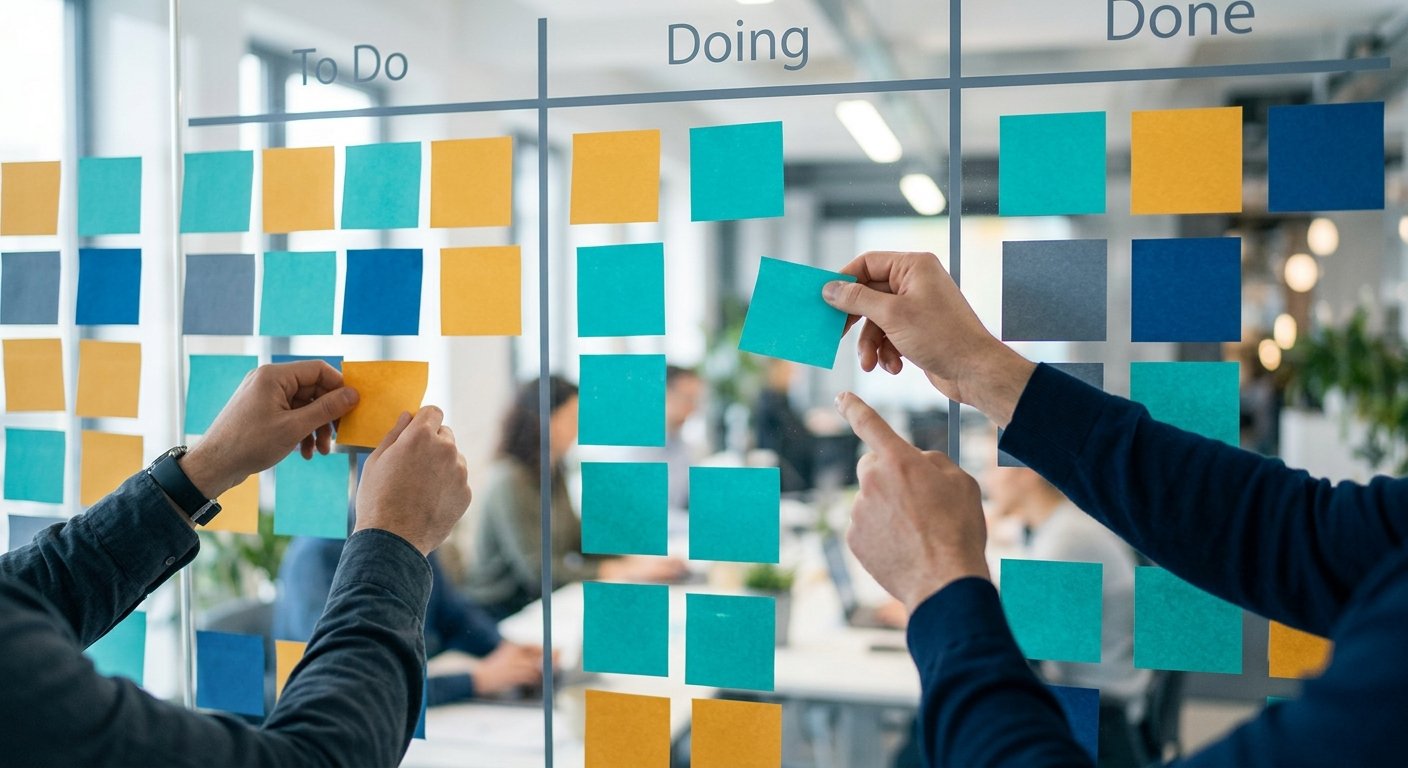
The agile process is an iterative project management approach that focuses on delivering value through collaborative, incremental work cycles. Unlike traditional waterfall methods, agile embraces changing requirements even late in development.
Core framework of agile
Agile methodologies typically involve:
- Sprints (time-boxed iterations)
- Daily stand-up meetings
- Continuous feedback loops
- Prioritized backlogs
How Agile appears in the 2026 PMP exam
Approximately 60% of the 2026 PMP exam uses agile or hybrid approaches, distributed across all three domains. The Process domain (41% of the exam) carries the largest volume of agile-related questions, but agile principles appear throughout.
When to choose pure Agile vs hybrid
Pure agile works best when:
- Requirements are expected to change frequently
- The product benefits from iterative feedback
- The team is co-located or highly collaborative
Hybrid approaches may be better when:
- Some regulatory documentation is required
- Parts of the project have fixed requirements
- Working with vendors using waterfall
Common anti-patterns
Watch for these agile anti-patterns:
- Sprint scope creep without adjustment
- Stand-ups becoming status reports
- Backlogs growing without prioritization
- Ignoring technical debt in favor of new features
Metrics that matter
Effective agile teams track:
- Velocity (consistent story point completion)
- Cycle time (from start to delivery)
- Escaped defects (found after release)
- Team happiness (qualitative measure)
Related reading
PMP Exam: Complete 2026 Guide
Hybrid Project Management Explained
Scrum vs Kanban: Choosing the Right Approach
Key Takeaways
- Agile processes emphasize iterative, collaborative work with frequent feedback.
- The 2026 PMP exam contains ~60% agile/hybrid content across all domains.
- Choose pure agile when requirements change often; hybrid when some structure is needed.
- Common anti-patterns can undermine agile effectiveness if not addressed.
- Velocity, cycle time, and escaped defects are among the most valuable agile metrics.
Frequently Asked Questions
Q: What is the difference between Scrum and Kanban?
A: Scrum uses fixed-length sprints with planned work, while Kanban focuses on continuous flow with work-in-progress limits.
Q: When should I choose hybrid over pure agile?
A: Consider hybrid when parts of your project have fixed requirements, need regulatory documentation, or must integrate with waterfall vendors.
Q: How much of the 2026 PMP exam is agile or hybrid?
A: Approximately 60% of the 2026 PMP exam uses agile or hybrid approaches, distributed across all three domains.
Q: What are common agile anti-patterns?
A: Common anti-patterns include sprint scope creep, status-report stand-ups, unprioritized backlogs, and ignoring technical debt.
Q: What metrics should agile teams track?
A: Key metrics include velocity, cycle time, escaped defects, and team happiness indicators.